
Nutrition plays a crucial role in maintaining health and supporting disease management, especially in rare metabolic and gut-related conditions that interfere with how the body processes food.
Many of these disorders affect digestion, absorption, or nutrient utilization, placing individuals at high risk for deficiencies, poor growth, and long-term malnutrition.
When you’re living with a rare metabolic or gut condition, food isn’t just food — it’s part of treatment. And yet, for many rare diseases, clear and practical nutrition guidance is still hard to find
Some rare metabolic disorders, such as Phenylketonuria (PKU) and Maple Syrup Urine Disease (MSUD), have well-established dietary protocols that serve as primary forms of treatment . In these conditions, nutrition is not just supportive, it is life-saving.
However, for other rare disorders, including Congenital Disorders of Glycosylation (CDG), Cystic Fibrosis (CF) and Congenital Disorders of Sialic Acid (CDSA), nutrition is recognized as important but remains less standardized and less supported by strong clinical research.
Because rare diseases vary widely, dietary plans must always be individualized and guided by a specialist team.
What Foods Help (or Hurt) When You Have a Rare Disease?
Living with a rare metabolic or gut-related disorder means that food isn’t just for enjoyment, it’s part of your treatment plan. Many of these conditions affect how the body processes nutrients, so certain foods can trigger symptoms, while others can actually help keep you healthy and energized.
For instance, in Phenylketonuria (PKU), the body cannot properly process phenylalanine, an amino acid found in high-protein foods like meat, fish, eggs, dairy, and some grains [1].
Consuming these foods can be harmful. But patients still need protein for growth and energy, which is why specialized low-phenylalanine protein substitutes are essential.
Similarly, in Maple Syrup Urine Disease (MSUD), restricting branched-chain amino acids prevents dangerous metabolic crises. Carefully measured medical formulas ensure patients still receive enough nutrition to grow and thrive.
In Wilson’s Disease, copper-rich foods such as liver, shellfish, nuts, and chocolate must be avoided to prevent toxicity.
On the positive side, nutrient-dense, well-balanced foods tailored to each individual can boost energy, support growth, and reduce complications. Studies show that targeted dietary adjustments can help stabilize symptoms in rare gut and inflammatory disorders, although detailed, standardized guidelines are still limited [2].
Some foods are triggers, while others are allies. Knowing which to avoid and which to include, and using specialized medical nutrition when needed is essential for managing rare diseases safely and effectively.
Easy Diet Changes That Make Rare Conditions More Manageable
Small, practical tweaks in daily eating can make a huge difference in comfort and symptom management [3,4]:
1. Eat smaller, frequent meals: splitting your day into 4–6 mini-meals can reduce bloating, nausea, and sudden metabolic spikes.
2. Use specialised medical foods: low-protein formulas or amino-acid modified substitutes provide essential nutrients safely for conditions like PKU or MSUD.
3. Choose easy-to-digest foods: soft-cooked vegetables, plain rice, or low-residue starches are gentle on the gut and reduce discomfort.
4. Introduce new foods gradually: slowly testing new foods allows patients to identify personal tolerances without triggering symptoms.
5. Enhance flavour safely: herbs, mild spices, or a splash of lemon can make meals more enjoyable without breaking dietary restrictions.
Even these small, consistent changes can make day-to-day life more comfortable, reduce symptom severity, and make sticking to a therapeutic diet easier.
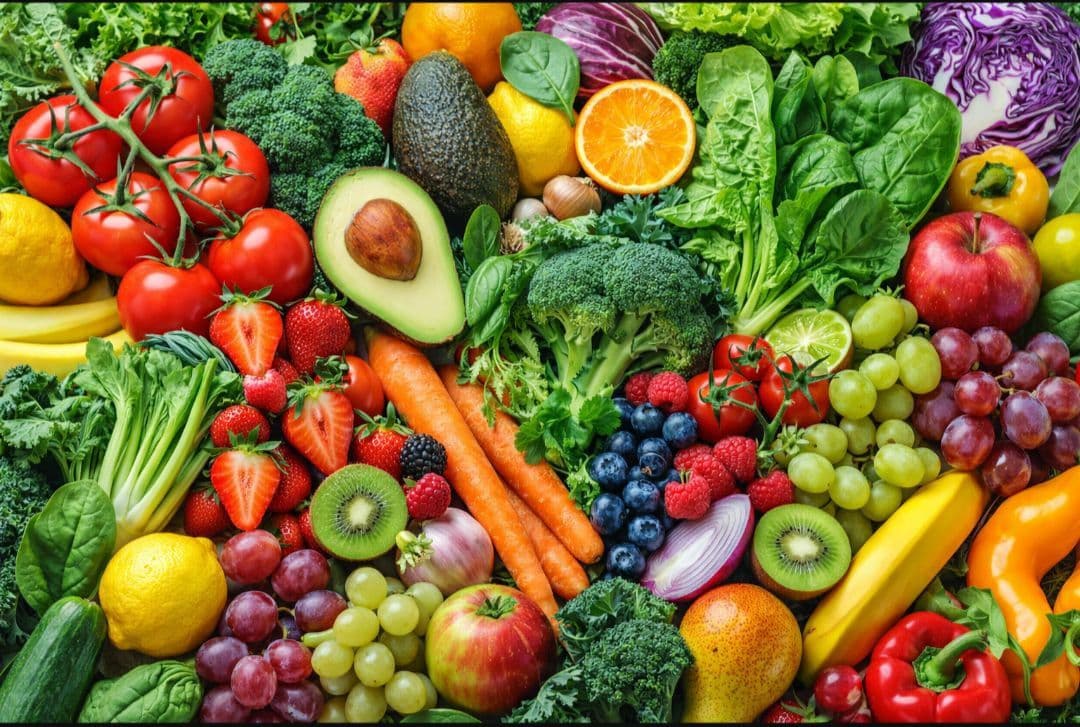
Best Snacks and Meals for People with Rare Health Problems
Finding the right snacks and meals for someone with a rare condition can feel tricky, but it doesn’t have to be stressful. The key is to combine nutrient-rich foods with options that are gentle on the tummy and easy to prepare.
Small, well-planned snacks can make a huge difference. For example, low-protein or amino-acid modified formulas for PKU, MSUD, or other metabolic disorders provide essential nutrients safely.
Smoothies made with fruits, fortified plant-based milks, or disease-specific protein substitutes are not only quick to make but also gentle on digestion.
Soft, easy-to-digest meals like mashed potatoes, cooked vegetables, or rice-based dishes help reduce gut discomfort while supplying energy and nutrients.
Breaking meals into small, frequent portions throughout the day keeps blood nutrient levels stable and prevents symptom flare-ups. For patients with malabsorption issues, such as cystic fibrosis, adding healthy fats or fortified foods can prevent weight loss and nutrient deficiencies without upsetting the digestive system.
Simple Nutrition Tips to Stay Strong with a Rare Condition
Living with a rare disease doesn’t mean you can’t stay strong and healthy! A few small, everyday nutrition habits can make a big difference in supporting your immunity, energy, and overall well-being [4]:
- Eat a variety of nutrient-rich foods: Fill your plate with colorful fruits, vegetables, whole grains, lean proteins, nuts, and seeds. This helps provide essential vitamins, minerals, and antioxidants to support growth, energy, and immune health.
- Limit added sugar, salt, and unhealthy fats: Reducing sugary snacks, processed foods, and fried meals helps maintain stable energy, prevent inflammation, and support a healthy weight.
- Stay hydrated: Drinking enough water throughout the day helps digestion, nutrient absorption, and overall cellular health.
- Include fiber if tolerated: Vegetables, fruits, legumes, and whole grains support gut health and help keep digestion regular. Adjust fiber intake based on your tolerance.
- Balance protein intake: Within your dietary limits, include protein from safe sources such as lean meats, fish, eggs, or plant-based options like beans and lentils. Protein helps maintain muscles and immunity.
- Eat small, regular meals: Frequent, smaller meals can help stabilize energy, reduce digestive discomfort, and prevent metabolic spikes for many rare conditions.
- Talk to your healthcare provider about supplements: Some patients may need additional vitamins or minerals (like vitamin D, calcium, or omega-3s). A clinician can recommend safe options and proper dosing.
By focusing on balanced meals, hydration, and routine, patients with rare conditions can feel stronger, maintain their immunity, and better manage daily challenges.
Foods to Avoid if You Have a Rare Metabolic or Genetic Disorder
Managing rare metabolic or genetic disorders means being mindful of foods that could trigger symptoms, metabolic crises, or nutrient imbalances. Here’s a practical guide:
❖ High-protein foods: If you have PKU or MSUD, avoid meat, fish, eggs, dairy, and legumes. Instead, use low-protein alternatives like specialized breads, rice, or protein substitutes.
❖ Sugars and specific carbs: Conditions like galactosemia or hereditary fructose intolerance require avoiding lactose, fructose, or sucrose-rich foods to prevent having excess of them in your blood.
❖ Copper-rich foods: In Wilson’s disease, steer clear of liver, shellfish, nuts, and chocolate to avoid copper buildup.
❖ High-fat foods: For certain fat-malabsorption disorders, large greasy meals may worsen symptoms. Fat intake should be adjusted based on medical advice.
❖ Ultra-processed or sugary foods: These can trigger inflammation and worsen gut symptoms.
❖ Alcohol, caffeine, and herbal supplements: These may stress metabolic pathways or contain hidden ingredients that can harm your condition.
❖ Always check labels : Look carefully for hidden proteins, sugars, or additives that could interfere with your specific condition.
Can the Right Diet Really Calm Symptoms of Rare Diseases?
In many rare metabolic conditions, diet is central to treatment. In others, it plays a supportive role alongside medical care.
Each condition has its own unique dietary needs, but families can use practical strategies to make meals safer, more nourishing, and less stressful.
For example, children with metabolic disorders like PKU or MSUD benefit from low-protein meals paired with approved protein substitutes, which prevent harmful metabolite buildup and reduce neurological complications. However, early intervention matters.
Meanwhile, people with cystic fibrosis often need higher calorie and fat intake, usually alongside enzyme therapy, to prevent weight loss and malnutrition. They may also feel better with nutrient-dense, easy-to-digest meals, like smoothies made from fruits, fortified plant-based milks, or safe supplements.
Even simple strategies like preparing meals ahead of time, organizing ingredients, or using pre-portioned containers can help families stay on track, reduce stress, and ensure dietary requirements are met consistently.
Quick Meal Ideas for Families Dealing with Rare Health Issues
Managing meals for someone with a rare health condition can feel overwhelming , especially when juggling time, dietary restrictions, and nutritional needs. The key is quick, safe, and adaptable meal strategies that are still packed with nutrients.
Here are some practical ideas:
❖ Pre-planned meals with safe staples: Simple stir-fries with veggies and controlled portions of grains, or pasta with approved sauces, give balanced nutrition without long prep times.
❖ Smoothies and shakes: Blend fruits with fortified plant-based milks or approved protein substitutes for a fast, gentle-on-the-tummy breakfast or snack.
❖ Condition-specific tweaks:
● For PKU or MSUD, low-protein pasta or rice paired with veggies and amino-acid formulas works perfectly.
● For cystic fibrosis, nutrient-rich meals like mashed veggies with lean protein substitutes or fortified smoothies help prevent malnutrition.
● For hereditary fructose intolerance or galactosemia, simple fruit and vegetable dishes that avoid fructose or lactose provide safe, essential nutrients.
❖ Using pre-portioned containers, labeled ingredients, and weekly meal planning keeps families organized, reduces stress, and ensures dietary compliance. Quick, adaptable meals don’t just save time, they support stable symptoms and make daily life easier.
Vitamins and Supplements That Actually Help Rare Conditions
Sometimes, even the best meals aren’t enough to meet all nutritional needs. That’s where vitamins and supplements come in.
Supplements help prevent deficiencies and support overall health when absorption or metabolism is impaired
- Fat-soluble vitamins (A, D, E, K): Important for patients with fat-malabsorption conditions, like cystic fibrosis or liver disorders, to prevent poor growth, weak bones, and immune issues.
- Amino acid formulas and mineral-fortified supplements: Beneficial for metabolic disorders such as PKU, providing essential nutrients safely.
- General multivitamins or disease-specific preparations: Can prevent anaemia and fatigue.
Families can make supplementation easier by following medical guidance, using pre-measured doses, and integrating them into meals or snacks. When combined with well-planned meals, vitamins and supplements support health, improve quality of life, and complement medical care.
Eating on a Budget When Rare Disease Means Special Food Is Needed
Managing a rare disease can get pricey, especially with specialized foods, supplements, and medical formulas. But don’t worry! Families can still eat safely and stay nutritious without breaking the bank.
Here’s how:
★ Buy staples in bulk: Low-protein pasta, rice, affordable veggies, and basic fruits can be bought in larger quantities and stored for the week.
★ Meal planning & batch cooking: Prepare meals ahead of time. It saves money and stress, while keeping safe foods always ready.
★ Mix and match affordable ingredients: Rotate less expensive protein substitutes or fortified foods with budget-friendly veggies, potatoes, or plant-based milks.
★ Homemade snacks for kids: For children with PKU or MSUD, try simple low-protein snacks or fruit and veggie combos instead of costly commercial products.
★ Use seasonal produce & discounts: Local markets and store sales can help you save while still eating well.
With a bit of creativity, organization, and planning, families can provide safe, nutritious meals without compromising dietary compliance or quality of life.
Fun Ways to Make “Boring” Rare Disease Diets Taste Way Better
Living with a restricted diet doesn’t have to be dull! Small tweaks can make meals fun, tasty, and safe .
❖ Enhance flavour safely: Herbs, mild spices, or a splash of lemon/vinegar brighten meals without adding harmful ingredients. Example: cinnamon or vanilla in low-protein oatmeal or smoothies can make kids smile!
❖ Play with textures: Combine soft grains with crunchy veggies, layer purees with safe toppings, or mix creamy and crispy elements.
❖ Try different cooking methods: Roasting, grilling, or sautéing can bring out natural flavors and make simple dishes exciting.
❖ Focus on presentation: Colourful plates, fun shapes, and neat arrangements make meals visually appealing and more enjoyable.
❖ Create a positive eating environment: Sit together, relax, and avoid distractions like TV or phones, mealtime is about taste, fun, and bonding.
❖ Introduce new flavours gradually: Slowly experiment with herbs, spices, or approved ingredients so the palate adapts safely.
❖ Consult a dietitian: Always check that creative tweaks are safe and nutritionally adequate.
With these strategies, families can turn restrictive diets into enjoyable, stress-free experiences that support nutrition, symptom management, and overall well-being.
Conclusion
Nutrition is far more than just food, it’s a powerful tool that can shape health, manage symptoms, and improve quality of life for individuals living with rare diseases.
While each rare condition has unique dietary requirements, common strategies such as small, frequent meals, targeted supplementation, hydration, and mindful food selection can help stabilize symptoms and support growth.
References
- Gov.UK – Phenyketonuria
- National Organisation For Rare Disorders – Medical nutrition
- Nutrients – Nutritional Care For Rare Disorders Patients
- PMC – Diet and Nutrients in Rare Neurological Disorders
- CDC – Healthy Eating